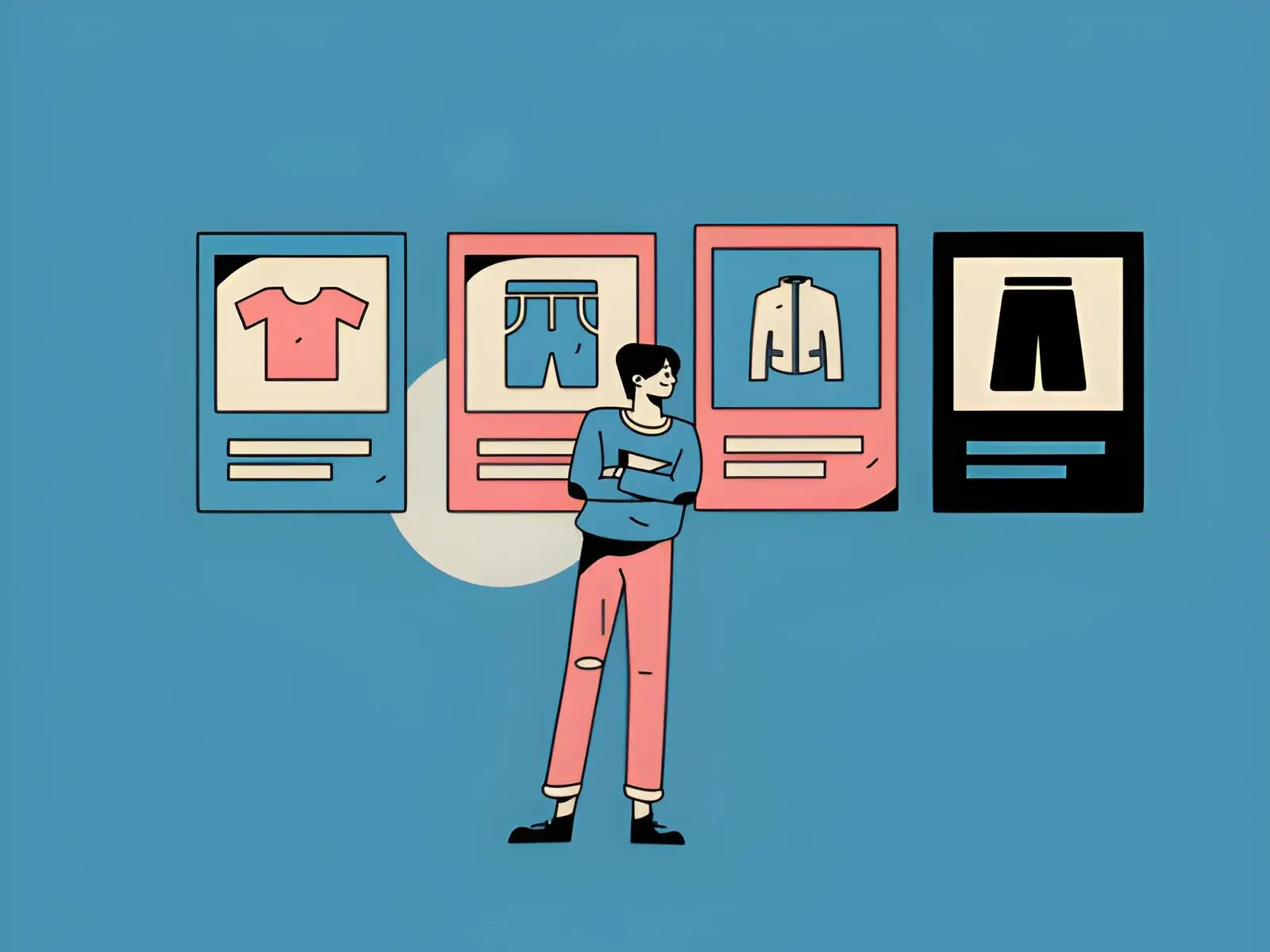

Shoppers today do not browse a rack and settle for what fits well enough. They arrive with a specific idea in mind, whether that is a hoodie in an exact color, a shirt with a name printed on the chest, or matching tees for a team of eleven. The expectation that clothing can and should reflect individual preference has moved from a niche luxury to a baseline standard, and apparel brands are under real pressure to keep up.
How Personalization Became an Important Part of Modern Shopping
For most of retail history, personalization meant monogramming at a department store counter or a custom suit from a tailor. The internet changed the economics of that entirely. Online platforms made it possible for consumers to configure products before buying them, compare options across dozens of providers, and receive exactly what they specified. That experience trained a generation of shoppers to expect the same flexibility everywhere.
Research consistently shows that 71% of consumers expect personalized interactions from companies, and 80% say they are more likely to buy from brands that offer personalized experiences. Those figures reflect a shift in expectation, not just preference. Shoppers who can get a custom product elsewhere will go elsewhere. Simple as that.
Social media has accelerated this. When someone posts a photo wearing a shirt with their team name on it or a jacket with a custom graphic, that visibility creates demand among everyone who sees it. Personalization has become a form of identity expression that plays out publicly, which raises the stakes for brands that cannot deliver it.
Why Consumers Want Products That Reflect Their Individual Preferences
The desire for personalized clothing goes beyond aesthetics. It is about fit, belonging, and ownership. A standard size chart does not account for the range of actual body shapes, and a mass-produced graphic does not capture the inside joke a group of friends shares. Consumers increasingly want products that feel made for them, not made for a demographic.
Fit and Sizing
Standard sizing has always been an approximation. Consumers with bodies that fall outside the median have long had to compromise, altering garments or avoiding certain styles altogether. The ability to specify measurements, request extended sizes, or choose a cut that actually suits a particular frame addresses a genuine gap that off-the-shelf clothing has never fully closed.
Names, Numbers, and Personal Graphics
Personalized text is one of the most requested customization options in apparel. A name on the back of a jersey, a number on a uniform, and a phrase that means something specific to a group. These details transform a generic garment into something with actual meaning. And the demand is not limited to sports teams. Book clubs, wedding parties, family reunions, and workplace groups all place orders with this kind of specificity.
Small Quantities That Still Feel Special
One of the most persistent frustrations with traditional custom apparel has been minimum order requirements. A group of six friends wanting matching shirts for a road trip should not have to order fifty units just to make production viable. That mismatch between what consumers want and what suppliers have historically offered is exactly the gap that flexible production models are now filling. Services offering custom apparel with no minimum order make it practical for small groups to get exactly what they want without overordering or blowing the budget.
The Role of Customization in Apparel and Fashion
Fashion has always had a relationship with individuality, but mass production created a long period where that individuality was largely simulated through brand choice rather than actual product differences. Customization is reversing that. Consumers are not just choosing between brands anymore. They are choosing between versions of a product tailored to their specific situation.
This shift is visible across categories. Athletic wear brands now offer custom colorways and sizing options. Streetwear labels run limited drops with personalized elements. Workwear suppliers let companies specify logos, colors, and garment styles down to the thread count. The expectation of configurability has spread from premium segments into everyday clothing.
How Small Groups and Organizations Approach Individual Clothing Orders
Schools, nonprofits, recreational sports leagues, corporate teams, and community organizations all share a common challenge: they need coordinated clothing in relatively small quantities, with specific details, on a budget that does not allow for waste.
Sports Teams and Recreational Leagues
A recreational soccer league with eight teams of twelve players needs jerseys with individual names and numbers. That is ninety-six unique garments, each slightly different. Traditional screen printing setups are not built for that kind of variability. Digital printing and on-demand production methods handle it without difficulty.
Workplaces and Events
Corporate retreats, volunteer programs, and company milestones often call for branded clothing. The challenge is that headcounts are specific and sizes vary. Ordering in bulk and guessing at size distributions leads to leftover inventory and people who end up with shirts that do not fit. Ordering by individual size, even in small quantities, solves that problem directly.
Community and Social Groups
Book clubs, neighborhood associations, friend groups planning trips, and families organizing reunions all fall into this category. These are not commercial buyers. They are individuals who want a specific item for a specific occasion and have no use for a hundred-unit minimum.
The Challenges of Producing Personalized Garments
Personalization is operationally harder than bulk production. Every unique element, whether a name, a number, a custom graphic, or a non-standard size, introduces a variable that has to be tracked from order intake through production and fulfillment. A single error on a personalized item is more visible and more costly than an error on a standard product, because there is no identical replacement sitting in inventory.
Quality control becomes more complex when no two items are the same. Ink coverage on a dark garment, thread tension on an embroidered name, and color matching across a small batch of different styles—each of these requires consistent process management even when the inputs keep changing. Suppliers that handle personalization well have invested in systems that treat each item as its own production run without losing efficiency. That is not a small operational lift.
How Flexible Production Supports Different Customer Requirements
The production methods that make personalization viable at scale are meaningfully different from traditional garment manufacturing. Direct-to-garment printing, heat transfer, sublimation, and digital embroidery all allow for variability without the setup costs that made small runs prohibitively expensive under older screen printing models.
The global custom apparel market was valued at USD 4.82 billion in 2025 and is projected to reach USD 12.51 billion by 2034, growing at a CAGR of 11.2%. That growth reflects real investment in the infrastructure needed to handle variable, small-batch, personalized orders across a wide range of garment types and customer segments.
Flexible production also means faster turnaround. When a group needs shirts for an event two weeks out, a supplier with on-demand capability can deliver. A traditional manufacturer with long lead times and high minimums cannot. Speed and accessibility are part of the value proposition, not just the ability to print a name on something.
Balancing Individual Design Choices With Consistent Product Quality
Giving customers more control over design introduces the risk of outcomes they did not anticipate. A color that looks one way on a screen may print differently on fabric. A font that seems legible in a mockup may be too small to read on an actual shirt. Suppliers that handle personalization responsibly build guardrails into the design process, offering previews, flagging potential issues, and setting realistic expectations about how choices will translate to the finished garment.
But consistency across a group order matters just as much. If twelve people order the same shirt in different sizes, the graphic should sit in the same position relative to the neckline on all twelve. That kind of standardization within a variable order requires careful production management and is one of the clearer markers of a supplier that has genuinely solved the personalization problem, rather than just offering the option and hoping for the best.
The Takeaway
Consumer expectations around personalization in apparel are not going to moderate. The tools and production methods that make individual choices practical are becoming more accessible, which means the baseline for what shoppers consider acceptable will keep rising. Brands and suppliers that build flexibility into their core operations, rather than treating small custom orders as edge cases, are the ones positioned to meet that demand as it grows. The opportunity is not in serving the mass market with one product. It is in serving many different people with exactly the right one.
Also read