
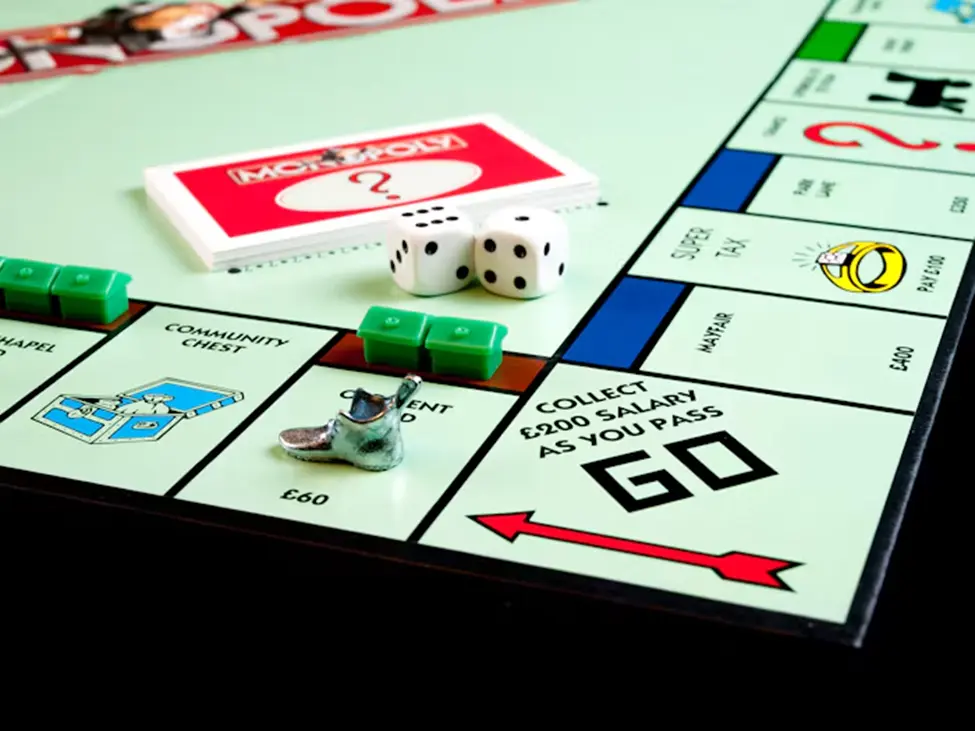

A board game spread across the living room floor, an arcade cabinet flashing in a crowded game centre, or a handheld console with simple controls can bring back familiar memories. These experiences helped shape the games people enjoy today, even as the technology behind them has changed dramatically.
Many classic gaming ideas have survived the move into digital entertainment. Developers have adapted traditional rules, redesigned familiar machines, and introduced new ways for players to interact. Looking at these changes reveals how older gaming concepts continue to influence modern entertainment.
Traditional Game Mechanics Have Found New Digital Forms
Classic games often remain popular because their rules are easy to recognise. Chess, checkers, and other board games have moved onto digital platforms without losing the decisions that make them engaging. Players still plan moves, anticipate opponents, and work toward familiar objectives.
Digital versions introduce features that simplify the experience. A chess application can highlight legal moves, prevent accidental rule violations, and record previous turns. Some also provide computer opponents with adjustable difficulty settings, allowing beginners to practise without needing another person.
Card games have experienced similar changes. Digital versions of Solitaire automatically arrange cards, identify completed sequences, and handle shuffling. Players no longer need to manage a physical deck, although recognising patterns and deciding which cards to move remain central to the challenge.
These adaptations show why familiar mechanics have lasting appeal. Developers can improve convenience while preserving the decisions that define a game. The result feels recognisable to experienced players while offering newcomers a more accessible introduction to established formats.
Arcade Machines Have Inspired Modern Screen-Based Games
Arcade machines once offered experiences that were difficult to recreate at home. Their colourful displays, physical buttons, and distinctive sounds attracted players looking for quick challenges. Many games relied on straightforward objectives, encouraging repeated attempts to improve a score or complete another level.
As gaming technology developed, many arcade experiences moved beyond dedicated cabinets. Developers recreated familiar controls, scoring systems, and visual effects through computer software. Short challenges, quick feedback, and repeated attempts remain common features of modern arcade-inspired games. Similar technological changes also affected other machine-based entertainment, including slot machines.
Slot machines provide another example of physical gaming equipment moving into digital formats. Traditional machines used mechanical reels and printed symbols, while modern online slots recreate the spinning-reel concept through software and animation. Digital versions can introduce different themes, visual effects, and interactive features while retaining the recognisable symbol-matching format.
Elsewhere, arcade-inspired games continue to use short challenges and immediate visual feedback. Modern puzzle and action titles often reward quick reactions, careful timing, or repeated attempts at difficult levels. These familiar design ideas remain effective even when the original cabinet has disappeared.
Graphics and Sound Have Changed How Familiar Games Feel
Early video games worked within strict technical limits. Developers used simple shapes, small character sprites, and limited colour palettes to create recognisable environments. A few moving pixels could represent an entire character, while background details were often reduced to essential features.
Modern graphics technology allows far more elaborate presentations. Familiar games can feature detailed backgrounds, smoother character movements, and lighting that responds to events on the screen. Even a straightforward puzzle game can use animation to make completed patterns and successful moves more satisfying.
Sound has developed alongside visual design. Early games relied on short electronic tones to signal movement, scoring, or failure. Today’s developers can use layered music, environmental sounds, and responsive audio effects. A racing game might change its engine sounds as a vehicle accelerates, making the action feel more immediate.
Interestingly, greater technical capability hasn’t eliminated older visual styles. Pixel art and electronic soundtracks remain popular choices for developers creating retro-inspired games. These design decisions preserve familiar characteristics while allowing newer technology to handle movement, performance, and other aspects of gameplay.
Online Connectivity Has Changed the Social Side of Gaming
Playing games together once meant gathering around the same table or sharing a console. Friends could compete in board games, take turns at arcade machines, or work together through local multiplayer challenges. Physical proximity was often essential to the experience.
Internet connectivity has changed that arrangement. Digital versions of traditional games allow people in different locations to participate in the same match. Someone can challenge a friend to chess across the country or join a cooperative game with players they have never met.
Online platforms have also introduced features that extend competition beyond individual matches:
- Leaderboards: Display scores and allow players to compare their performance across different games.
- Matchmaking systems: Connect players with suitable opponents for online competitions.
- Multiplayer rooms: Provide spaces for organised sessions involving participants in different locations.
- Communication tools: Allow players to coordinate decisions or discuss what happens during play.
These developments create opportunities alongside new responsibilities. Online competition depends on fair rules, reliable connections, and appropriate behaviour between participants. Reporting systems and moderation tools can help address problems, while private game rooms offer a more familiar setting for friends who prefer playing together.
Mobile Technology Has Made Classic Games More Flexible
Smartphones have changed when and where people enjoy familiar games. Activities that once required a dedicated console, computer, or physical playing surface can now fit into short breaks throughout the day. A crossword puzzle or quick strategy match becomes easier to revisit between other activities.
Touchscreens have also influenced game design. Instead of using physical buttons, players tap cards, drag puzzle pieces, or swipe to move characters. Developers must position these controls carefully, particularly when adapting games originally designed for larger displays or precise controller movements.
Many mobile games include progress-saving features, allowing players to pause a complicated puzzle and return later without starting again. Some applications also offer adjustable difficulty settings, optional hints, and shorter game modes to accommodate different schedules and experience levels.
However, portability introduces limitations. Small screens can make detailed game boards difficult to read, while touchscreen controls may feel less precise than physical buttons. Successful mobile adaptations address these challenges through thoughtful layouts and responsive interactions rather than simply reproducing the original screen.
Familiar Gaming Ideas Continue to Find New Audiences
Classic gaming concepts have remained relevant because their underlying appeal extends beyond the equipment used to play them. Familiar rules, satisfying challenges, and recognisable designs continue to influence games developed for modern platforms.
Digital technology has expanded these possibilities through improved presentation, online interaction, and portable devices. As developers explore new ways to present established ideas, traditional games can remain enjoyable for longtime enthusiasts while introducing their familiar experiences to another generation.
Also read