
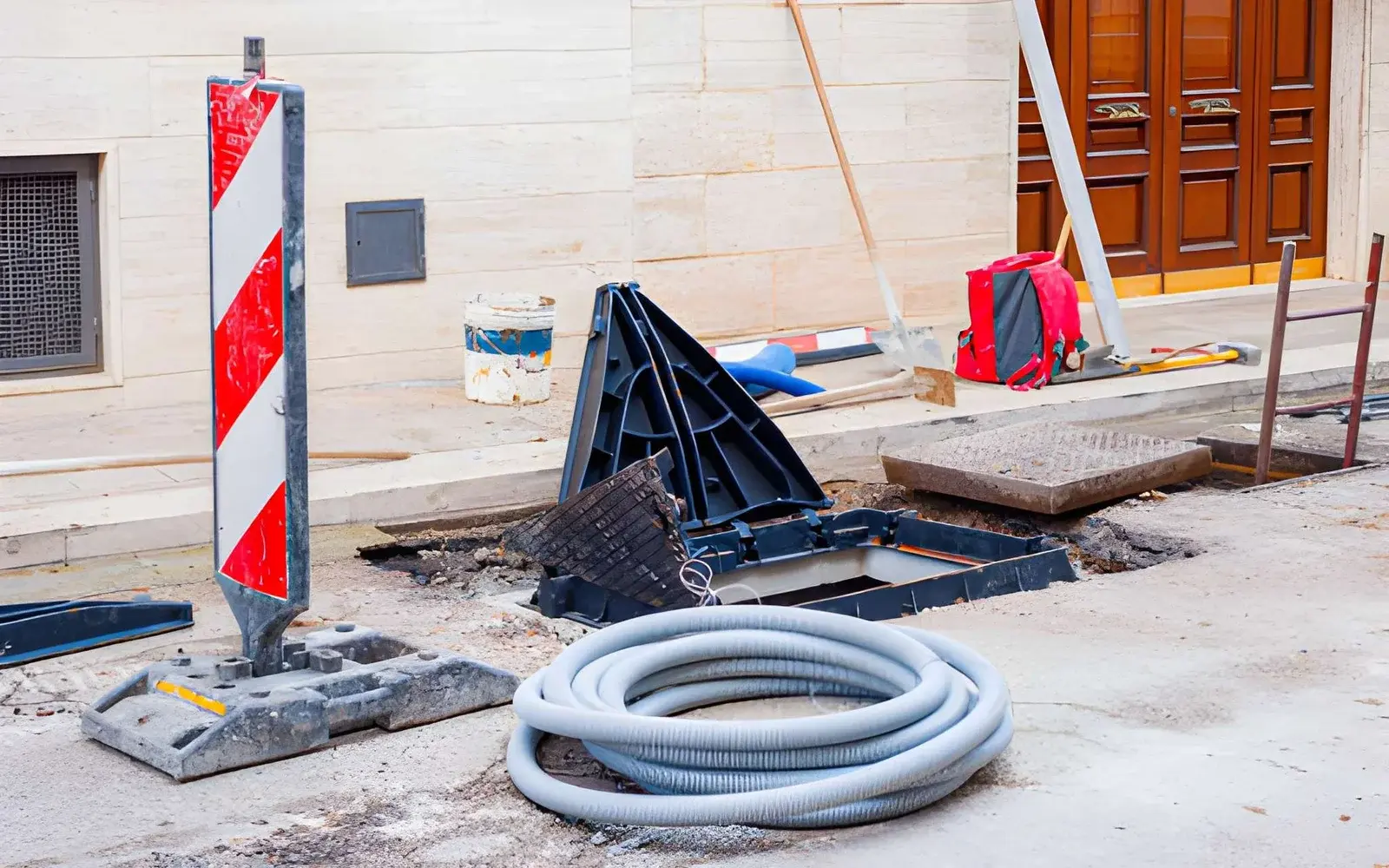

Most homeowners rarely think about the sewer pipe beneath their property until a drain stops working. Unfortunately, underground problems can develop slowly, producing only occasional slow drainage or unpleasant odors at first. Tree roots, shifting soil, pipe deterioration, and accumulated waste can all interfere with wastewater flow. A skilled plumber does more than clear the nearest blockage: the technician seeks to understand where the restriction occurs and whether the pipe itself remains sound. An accurate diagnosis helps homeowners avoid paying repeatedly for temporary fixes. Here is how professionals investigate sewer line problems and decide which repairs are appropriate.
Start With Symptoms and Property History
A useful inspection begins with questions. Does only one sink drain slowly, or do multiple fixtures have problems? Have backups occurred after heavy rain? Has the sewer line been cleaned before? Are there mature trees near the pipe route? Answers can help distinguish a localized fixture clog from a larger drainage-system issue. Plumbers may also review previous repair records and the age of the building. Nevertheless, symptoms alone cannot establish the cause. A sewer odor might come from a dry trap or a damaged line, while gurgling can arise from different restrictions or venting problems. Technicians should test their initial explanation before recommending extensive work.
Look for Clues Across Several Fixtures
When multiple fixtures drain poorly at the same time, a shared branch or main sewer line deserves closer attention. Water appearing at a lower fixture when another fixture drains can also indicate a downstream blockage. Conversely, a single slow bathroom sink may have a localized trap issue. Plumbers observe flow patterns and identify which fixtures connect to the suspect section. They should use appropriate precautions when wastewater is present. If sewage backs up indoors, homeowners should stop using affected fixtures, keep people away from contaminated water, and contact qualified help. Continuing to flush toilets can make an existing backup worse.
Use Camera Inspections to See Inside Pipes
A sewer inspection camera allows a technician to examine accessible underground pipe sections through an approved cleanout or other suitable entry point. Video can reveal root intrusion, separated joints, cracking, heavy deposits, or sections holding standing water. The operator should document the approximate location and explain what the images show. However, murky water or severe blockage can obscure the view, so cleaning may be necessary before a complete inspection. Camera footage alone may also be insufficient to determine pipe slope or the extent of concealed structural damage. A good diagnosis combines visual evidence with other site findings.
Locate the Problem Beneath the Ground
Identifying a defect inside a pipe is only part of the task; the repair team must know where it lies. Compatible locating equipment can help trace a camera head or transmitter from above ground. This may reduce unnecessary excavation and guide estimates. Plumbers still need to account for buried utilities, property boundaries, and safe digging requirements. Accurate location matters when a pipe crosses under driveways, landscaped areas, or building additions. Before any excavation, the contractor should follow applicable utility-location procedures and obtain required permissions.
Check for Tree Roots and Damaged Joints
Roots often enter sewer pipes through existing openings, joints, or cracks while seeking moisture. As they grow, they can trap debris and create recurring blockages. Plumbers may use mechanical removal or other approved methods to restore flow temporarily. However, clearing roots does not close the opening that allowed them inside. The technician should inspect whether a localized repair, lining, or replacement is needed. Avoid casually applying chemicals around underground pipes without understanding their safety and environmental implications. A long-term solution considers both the tree environment and the condition of the pipe.
Consider Pipe Material and Age
Sewer construction has changed over time, and different materials tend to experience different problems. Older clay pipes may develop separated joints or cracks, while aging cast-iron lines can suffer corrosion and internal deposits. Modern plastic pipes can also fail because of poor bedding, installation damage, or ground movement. Rather than assuming an old pipe requires complete replacement, plumbers should assess its actual condition. An isolated obstruction in a structurally sound line may be straightforward to clean. Widespread deformation or deterioration calls for a different discussion. Documenting pipe material helps homeowners understand the available options.
Investigate Standing Water and Alignment
Wastewater generally depends on correctly sloped pipes to move toward the sewer connection or treatment system. Settlement can create a low point, sometimes called a belly, where solids collect. A camera may show persistent water inside the line, suggesting that further measurement is warranted. However, a temporary pool of water in a video does not automatically prove that the entire pipe has an improper grade. Technicians may need to examine additional sections, locate the area, and evaluate installation records. When alignment problems are confirmed, repeated cleaning alone may not provide a permanent solution.
Choose Cleaning Methods Based on Condition
Mechanical drain cleaning and high-pressure water jetting can remove suitable types of accumulation. Nevertheless, the method should match the pipe’s material, structural integrity, and obstruction. Aggressive cleaning on a fragile or damaged line could create further issues. Ask the plumber what the inspection shows, why the proposed method is appropriate, and whether another camera check is recommended afterward. Removing a blockage is a result, not necessarily a full diagnosis. If a pipe has collapsed or severely separated, cleaning cannot restore its original structure.
Compare Repair, Lining, and Replacement Options
Once the problem is understood, the contractor can discuss repair choices. Localized excavation may address a short damaged section. In suitable pipes, trenchless lining or related rehabilitation can reduce surface disruption. Yet these methods have limitations: severe misalignment, collapse, access constraints, or unsuitable pipe conditions may rule them out. Compare written estimates that specify the repair scope, warranty, access arrangements, and restoration of disturbed surfaces. Be cautious of a recommendation for full replacement that lacks clear supporting evidence. A second opinion can be valuable for costly work.
Understand Septic-System Differences
Homes with onsite septic systems have additional components beyond an ordinary municipal sewer connection. A full diagnosis may require inspection of the tank, outlet, distribution components, and drainfield, depending on the symptoms. The EPA’s septic system warning signs include slow drains, backups, wet areas, and sewage odors. These signs require investigation but do not automatically identify a single failed component. Homeowners should avoid entering tanks or working around hazardous gases and instead use qualified septic professionals.
Prevent Repeat Drainage Problems
Reduce avoidable clogs by keeping grease, wipes, hygiene products, and other unsuitable materials out of drains. Maintain accessible cleanouts and retain previous camera reports and service records. Pay attention to repeat symptoms, especially when multiple fixtures are affected. If a contractor discovers root intrusion or pipe damage, discuss whether follow-up inspections are appropriate. Early attention often provides more repair choices than a sudden sewage emergency. Ultimately, maintenance habits help, but they cannot compensate for an unrepaired structural defect.
Conclusion
Professional sewer line diagnosis combines symptom analysis, inspection technology, pipe knowledge, and careful evaluation of repair choices. By locating the true cause rather than treating every problem as an ordinary clog, plumbers can recommend more suitable solutions. For homeowners, timely inspection and clear documentation can prevent repeated inconvenience and support informed repair decisions.
Also Read